


Intuitive Eating is a non-diet, evidence-based framework. Developed in the 1990s by Registered Dietitians and eating disorder clinicians, Evelyn Tribole and Elyse Resch, it has 150+ studies behind it. Rather than telling people what and how to eat, the model was created to help people build a respectful relationship with food, their bodies, and movement.
It’s often used with folks in eating disorder recovery as a bridge to “normal eating.” Those who have dieted for so long that they’ve lost touch with their ability to feed themselves without external rules to follow may also benefit. Facilitators of the model — Certified Intuitive Eating Counsellors — acknowledge that diet culture, the diet mentality, and weight cycling are inherently harmful, and that controlling food doesn’t lead to long-term health, peace, or self-trust.
Intuitive Eating Isn’t Another Diet
Intuitive Eating isn’t another diet to follow, and it isn’t about willpower, perfection, or “perfect eating.” Instead, it’s a practice of reconnecting with your body’s cues and learning to respond to them with curiosity. If you’re stuck in a cycle of dieting and overeating, believing you can’t trust yourself around food, and feeling completely disconnected from your hunger and fullness cues, please know that nothing is wrong with you. These patterns make so much sense given the ways Western culture moralizes food, equates thinness with health and virtue, and elevates some bodies over others.
10 Principles of Intuitive Eating
Ten interconnected principles guide Intuitive Eating. These aren’t rules to master or boxes to check. I think of them as pillars to support our work together.
- Reject the Diet Mentality. Let’s work together to dissolve the belief that diets “work” over the long term using your life history — personal data — and what the science says about long-term weight loss. Grieve the promise that control will bring peace, and that your body size and shape are entirely within your power.
- Honour Your Hunger. Learn how to recognize and respond to your body’s biological need for food, and to differentiate physical hunger from emotional hunger.
- Make Peace with Food. Give yourself unconditional permission to eat and stop the mental and physical restriction that leads to unwanted eating behaviours.
- Discover the Satisfaction Factor. The satisfaction factor is the hub of the wheel in Intuitive Eating. Pleasure and satisfaction are key to honouring your fullness and pausing the food noise between meals. By noticing what is pleasurable, you’ll find it’s easier to stop eating at comfortable fullness and to derive more satisfaction from the experience.
- Feel Your Fullness. Recognize the signals your body offers you that you are no longer hungry. Instead of focusing on your plate or a calorie count, observe your internal experience for signs you’re finished.
- Challenge the Food Police. Unlearn the internalized voices that judge and shame your food choices and your body.
- Cope With Your Emotions with Kindness. Both physical and mental restriction often creates the very sense of “loss of control” we label as emotional eating. When your body or mind feels deprived, the urge to eat is a natural response, not a personal failure. Rather than trying to suppress emotions, Intuitive Eating invites you to expand your coping toolbox gently. Food can offer temporary comfort or distraction, and there’s no shame in that. When eating is the only tool available, it often leaves you carrying not just the original emotion, but added discomfort or self-judgment afterward. Over time, learning to meet emotional needs with kindness, support, and choice, alongside food, not instead of it, creates more relief than control ever could.
- Respect Your Body. This principle acknowledges your body’s genetic blueprint. Just as you wouldn’t expect a size-eight foot to fit into a size-six shoe comfortably, it’s unrealistic, and often painful, to demand your body take on a size or shape it isn’t built for. Respecting your body isn’t about liking how it looks or giving up on caring for yourself, but about moving through the world with less distress as you take good care of it, as though it were a close friend. When you hold your body to impossible standards, rejecting diet culture becomes nearly impossible, because the body is constantly framed as the problem. Body respect means allowing your body to exist without punishment.
- Movement—Feel the Difference. Let go of militant exercise. Instead, explore movement as a way to support your body. When the focus shifts from burning calories to noticing how movement feels, watch your relationship with movement improve. Paying attention to energy levels, mental clarity, strength, or feelings of well-being can transform movement from a chore into a form of care. That felt sense, rather than discipline or obligation, is often what differentiates forcing yourself to move and wanting to.
- Honour Your Health with Gentle Nutrition. Choose foods that honour your well-being, your taste buds, and your culture, while staying curious about how your body feels. Health isn’t built on perfection. One snack, meal, or day of eating won’t make or break anything. What matters most is the overall pattern over time. And even then, food and movement are only one small part of health. Learn how to support your blood sugar, consume adequate amounts of protein, carbohydrate, fat, and fibre, and manage health conditions without resorting to restriction.
Learn More
You can learn more by reading the 4th edition of Intuitive Eating, or one of the following books:
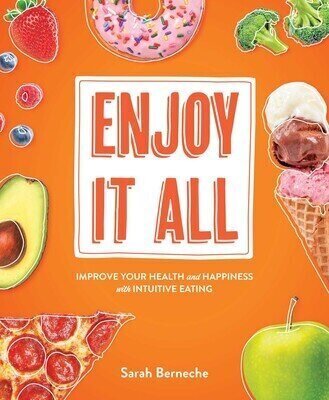
Enjoy It All: Improve Your Health and Happiness by Sarah Berneche
How to Raise an Intuitive Eater by Sumner Brooks and Aimee Severson
Anti-Diet by Christy Harrison
Gentle Nutrition by Rachael Hartley

Nutritionist, Certified Intuitive Eating Counsellor, and Somatic Experiencing Practitioner specializing in disordered eating, body image, and food-related trauma.




Comments +