


While having wine with a friend, we got talking about intuitive eating.
This is the problem with obsessions: they follow you into the off-hours. Even when you are sitting across from someone you love, laughing over dinner, or enjoying a quiet evening after a long day, the food thoughts can still show up. Did I eat too much? Should I have chosen something healthier? Am I being “good” today? What will I do tomorrow to make up for it?
My friend said something I hear all the time:
“What I would actually like to do is drink eight bourbon sours, eat a bag of chips, and follow it up with poutine. But I know that’s probably not the best choice, so I usually make healthier choices. You know, like salad.”
I understand it because I hear it all the time. As a Certified Intuitive Eating Counsellor, eating disorders nutritionist, and a woman with lived experience, I get it.
Intuitive Eating Facts vs Fiction
Intuitive eating is often misunderstood. Many people hear the phrase and imagine that it means eating whatever you want, whenever you want, with no consideration for your health, energy, or wellbeing. But intuitive eating is not about mindless eating or abandoning yourself; it’s about learning how to trust yourself.
It is about moving away from the constant negotiation with food — the rules, the guilt, the mental calculations, and the endless search for the “perfect” way to eat. For many women I work with, especially those who are ambitious, successful, and used to doing things “right,” this can feel terrifying.
Diet culture has taught you that control equals safety. You have been told that if you just find the right plan, the right foods, the right amount of discipline, you will finally feel confident in your body. But what happens when the food rules become the thing keeping you stuck?
Why Intuitive Eating Feels Scary
When I introduce people to intuitive eating, one of the first fears I hear is: “But won’t I just eat everything?”
After years of being told to cut out sugar, avoid carbohydrates, stop eating after a certain time, never keep “trigger foods” in the house, or always choose the lowest-calorie option, the idea of giving yourself unconditional permission to eat can feel impossible.
You might imagine yourself standing in front of the pantry, eating an entire box of cookies, unable to stop. But that fear isn’t because you are inherently broken, but due to years of deprivation from dieting. When your brain believes something is scarce, it becomes more valuable. Think about the last time you told yourself you “couldn’t” have something. Suddenly, that food probably became the thing you wanted the most.
This is why restriction often fuels overeating.
Intuitive Eating and Habituation
Intuitive eating works differently.
One of the reasons it works is because of something called habituation. When a food becomes consistently available, without guilt or rules attached, it loses some of its urgency.
Imagine I told you that you had to eat chocolate ice cream for every meal for the next month. At first, you might think, “Amazing. Sign me up.” But eventually? You would probably want something else. Roasted potatoes, crunchy vegetables, soup and a grilled cheese sandwich. You would start noticing what actually satisfies you…and realizing it isn’t the same thing all the time.
That is what happens when you stop treating certain foods like they are rare opportunities you have to take advantage of.
My Experience Learning Intuitive Eating
I became an intuitive eater by eating all the foods I had spent years trying to control. I ate foods that nutrition culture told me I shouldn’t: Ethiopian stews over white rice (the horror), rice (period), cake and ice cream, sour keys, cheeseburgers with fries. I kept ice cream and potato chips in my house — foods I previously felt completely out of control around — and practiced trusting myself. I ate sour gummy candy, stopped feeling guilty about enjoying a glass of wine with people I love.
And I started asking myself some important questions about my own preferences: What sounds good right now? What would actually satisfy me? What does my body need? Instead of planning every meal according to what I thought I “should” eat, I started paying attention. Sometimes lunch was followed by crackers and hummus; sometimes I’d have a hearty salad. Breakfast might be eggs and greens with toast, or avocado toast. Sometimes it could be coffee first because I was busy and didn’t realize I was hungry yet.
I think they call this trust.
What Happens When You Start Trusting Yourself Around Food
Something surprising happened when I stopped controlling every food decision: I naturally started making choices that supported my wellbeing. Not because I was forcing myself, or out of fear, but because I was listening. I would opt for herbal tea over wine, crave vegetables, drink more water because I noticed the difference in energy levels.
Sometimes I move my body because it feels grounding, enjoyable, or empowering, and not because I need to compensate for something I ate (a first).
Intuitive eating does not mean you stop caring about your health; it means your health is no longer built on self-beratement. You can care about nutrition without obsessing over it, and enjoy movement without using it as punishment. Think about enjoying cake without having to “get back on track” tomorrow.
How to Become an Intuitive Eater
If you want to begin healing your relationship with food, start by noticing where food still feels emotionally charged.
Ask yourself: What foods do I feel like I cannot keep in my house? What foods do I tend to overeat when I finally allow myself to have them? What do I believe these foods mean about me? What am I afraid would happen if I gave myself unconditional permission to eat them? When did I first learn that certain foods were “good” and others were “bad”? Who taught me those rules? What would change if food was no longer something I had to control?
A Simple Intuitive Eating Practice
The next time you go grocery shopping, try something different. Walk through the store without immediately judging foods as healthy or unhealthy. Notice what catches your attention. What colours look appealing? What smells good? What sounds satisfying? What would you genuinely enjoy eating? If something from the bakery looks delicious, pause and imagine enjoying it. Would you eat it with coffee in the morning? Practice seeing food as something you get to experience — not something you need to earn.
Then choose a food that you have labelled as “forbidden.” Sit down and eat it without distractions. Notice the taste, texture, smell, and satisfaction. When you feel like you have had enough, stop — reminding yourself that you can have it again. By doing so, you teach your brain that food is available. Every bite re-establishes trust.
Ready to Stop Dieting and Feel Safe With Food?
If you are exhausted by constantly thinking about food, struggling with binge eating, emotional eating, or feeling disconnected from your body, you do not need another diet plan.
You need support rebuilding trust. As a Certified Intuitive Eating Counsellor and eating disorder nutritionist, I help women untangle years of food rules, body shame, and diet culture so they can feel safe around food again. Together, we look at your relationship with food and your body, explore what keeps you stuck, and build a more compassionate approach that supports your health without #dietmath.
You can learn more about working with me 1:1 and start creating a more peaceful relationship with food and your body, or click here to schedule your complimentary call.
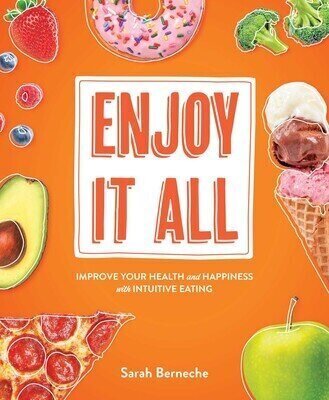
If you are new to intuitive eating, my book Enjoy It All: Improve Your Health and Happiness with Intuitive Eating offers a practical guide to moving away from dieting and toward lasting freedom with food.

Nutritionist, Certified Intuitive Eating Counsellor, and Somatic Experiencing Practitioner specializing in disordered eating, body image, and food-related trauma.



Thanks for this great blogpost.
My only goals this year is to love myself. Become an intuive eater is a part of this goal.
I like this way of eating and I feel I can do it !
Thank you for the advices <3
Aw thank you so much for the sweet words!
I love your goal! Intuitive eating can certainly go a long way to helping a person love themselves (in my highly biased opinion ;)). I hope I can help you to manifest your resolution.
Merci pour vos commentaires, Odile!
Hey, what about feeling bad for eating meat, not because you think is unhealthy, but because you think is unethical and environmentally not so good?
Hey Glenn! Apologies for the delayed response. If your decision is motivated by ethics/morals, then that’s considered OK.